
Victoria Park
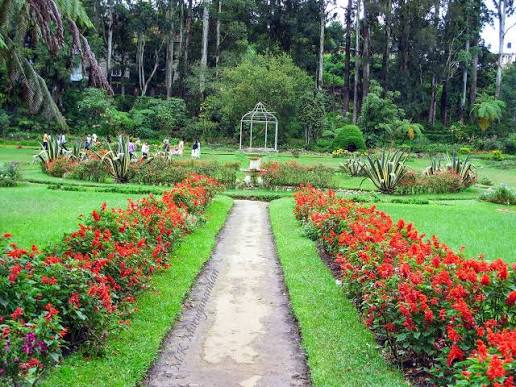
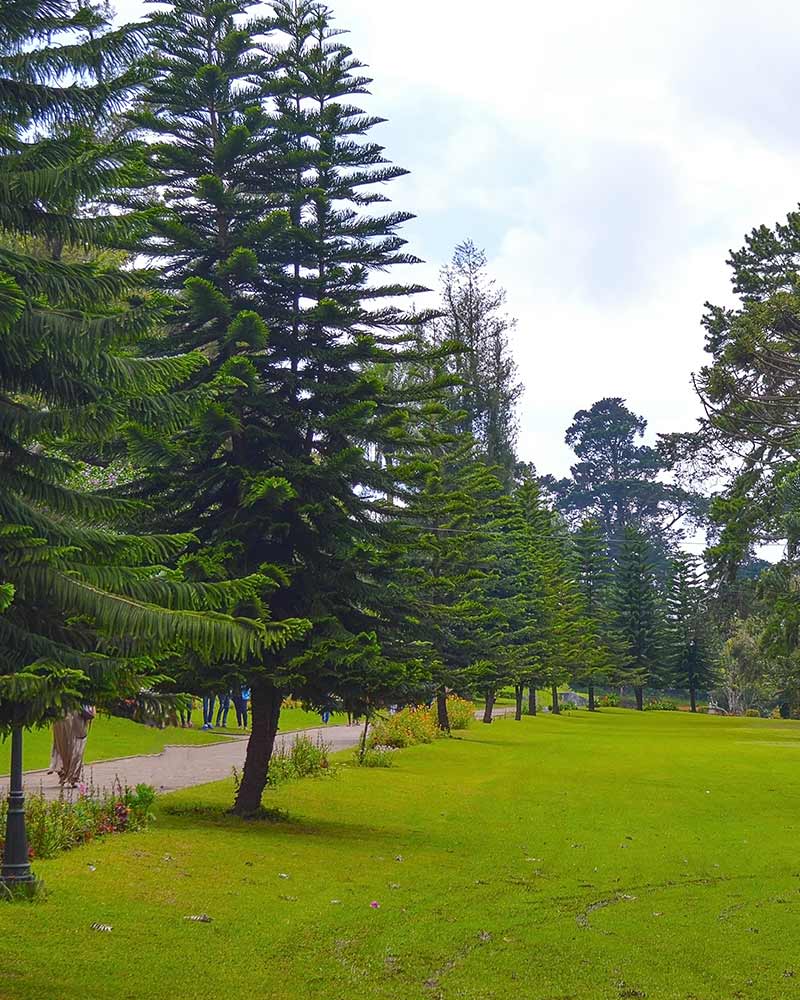
Victoria Park is a beautifully manicured 27-acre public urban park located right in the heart of the hill country resort town of Nuwara Eliya, Sri Lanka. Originally serving as the research ground for the nearby Hakgala Botanical Garden, the land was officially established as a public park in 1897 to commemorate the Diamond Jubilee of Queen Victoria. Known today as one of the most well-maintained town parks in South Asia, it offers a peaceful, classic English-style garden oasis that beautifully complements the town's famous "Little England" aesthetic.The park is celebrated for its lush greenery and vibrant floral displays, featuring a rich collection of both native and exotic plants, orchids, and towering trees. The Nanu Oya River flows directly through the grounds, splitting into a network of small, reed-fringed lakes and quiet streams that enhance the tranquil landscape. Visitors can stroll along paved walking paths that wind through perfectly manicured lawns, pristine flowerbeds, and dedicated rock gardens, making it a popular spot for relaxation and photography.Beyond its scenic landscaping, Victoria Park is globally famous among ornithologists as a premier urban birdwatching hot spot. Because of its unique high-altitude climate, the park attracts a variety of rare highland bird species as well as unique migratory birds during the winter months (October to April). Bird enthusiasts regularly visit the park to catch glimpses of elusive species such as the Kashmir Flycatcher, Indian Blue Robin, Pied Thrush, and the endemic Sri Lanka White-eye.The park is highly family-friendly, offering dedicated recreational areas to keep children entertained. At the far end of the property sits an expansive children's playground equipped with swings and slides, alongside a popular rideable miniature toy train that loops around the area. For adults, the park features quiet seating corners, picnic tables scattered across the lawns, and a small on-site conservatory that showcases delicate plant species.For travelers planning a visit, the best time to experience the park in full bloom is during the primary holiday seasons from March to May and August to September. The park is centrally located, just a short walk from the historic Nuwara Eliya Post Office and the central bus station. The entry ticket counter operates on a cash-only basis, with local tickets costing around 30–40 LKR and foreign tourist entry priced at 1,000 LKR.
Lake Gregory
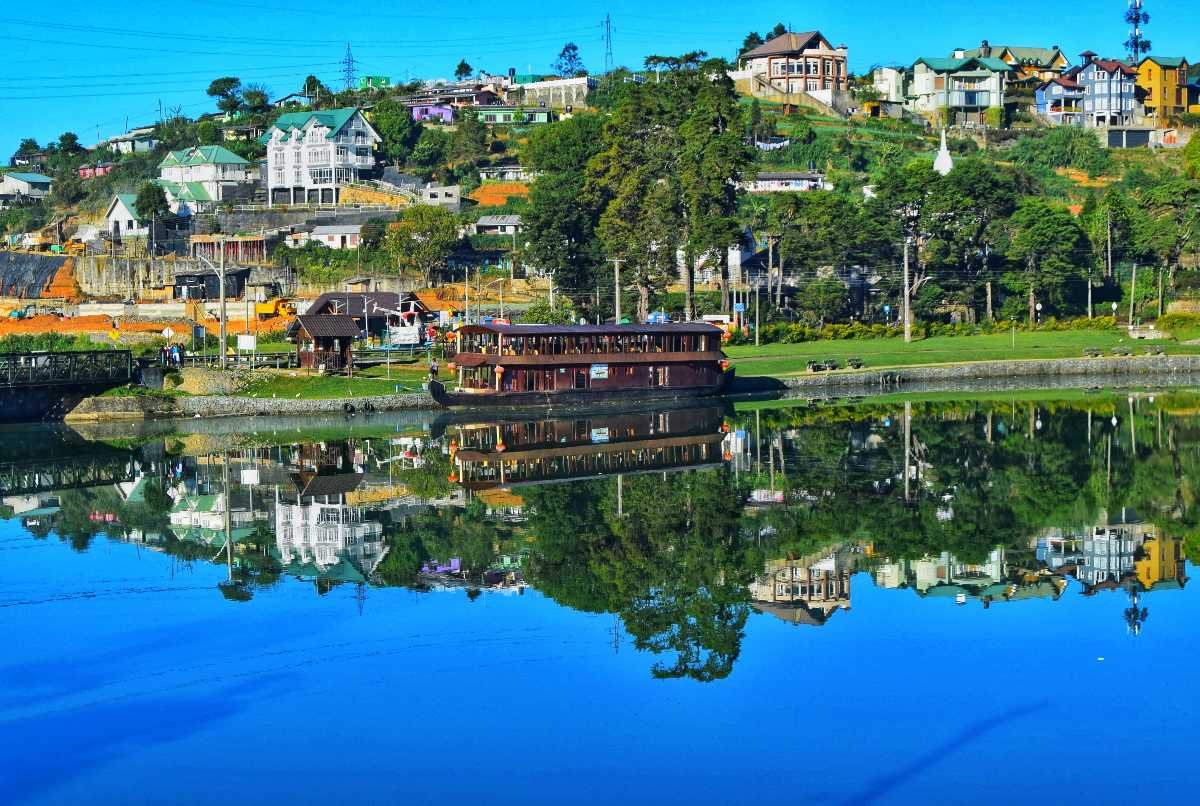
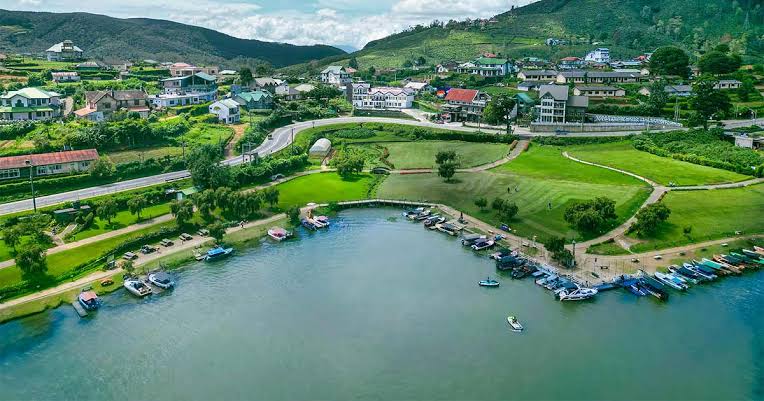
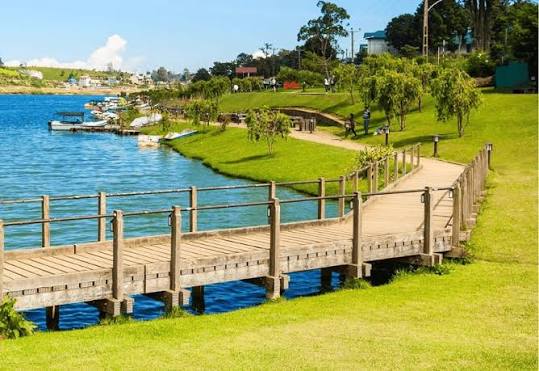
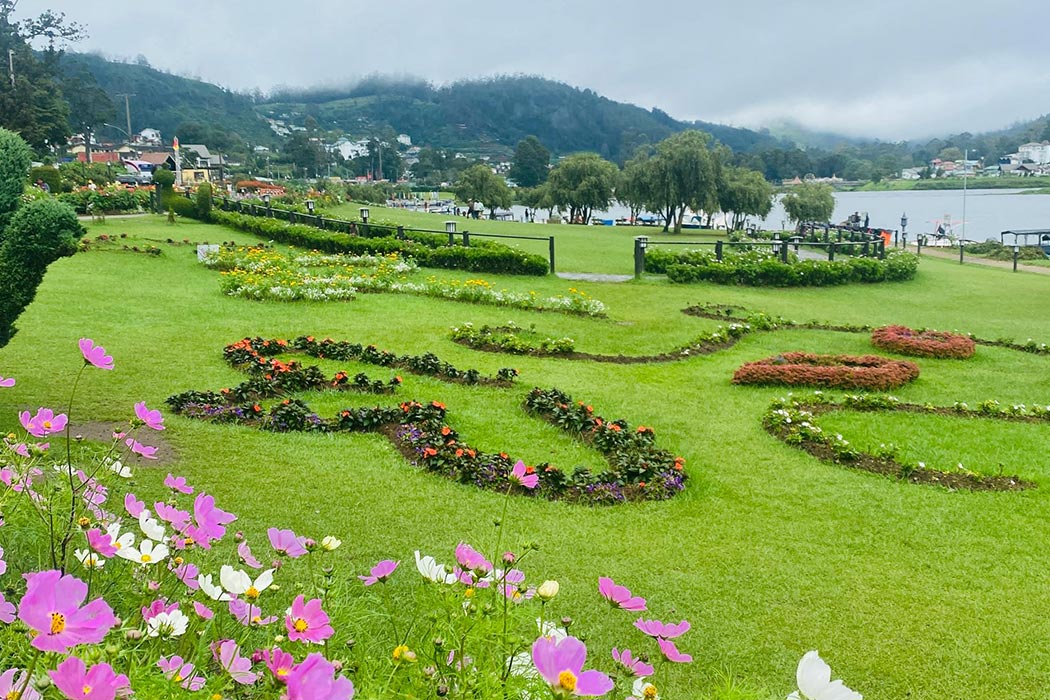
Originally constructed in 1873 under the direct command of British Governor Sir William Gregory, this historic ninety-one hectare reservoir in Nuwara Eliya successfully transformed a waterlogged, swampy valley at the base of Mount Pidurutalagala into a foundational piece of colonial infrastructure. By strategically damming the pristine Thalagala stream, early engineering teams created a vital water supply that was later expanded in 1913 to channel heavy currents through subterranean tunnels directly into a heritage mini-hydropower station situated in Blackpool. This innovative system reliably supplied clean electricity to the expanding township for over a century, beautifully combining early industrial utility with local resource management while its waters simultaneously served as a prominent sport fishing ground for the colonial planter class. Over the subsequent decades, the historic landmark smoothly transitioned from a functional utility asset into the absolute premier recreational focal point of Sri Lanka’s central hill country, drawing thousands of modern holidaymakers who wish to experience the unique, cool highland climate and stunning alpine backdrops. Today, the bustling waterfront and the beautifully maintained Gregory Park cater extensively to family entertainment, outdoor fitness, and diverse water sports. Happy visitors can easily rent standard rowboats, high-speed jet skis, or family-friendly swan pedal boats, while others choose to leisurely stroll along the immaculate paved walkways and scenic cycling paths encircling the lovely shoreline. Excited children frequently enjoy guided pony rides on the grassy banks, and a dedicated culinary zone allows hungry international travelers to sample steaming cups of hot Ceylon tea alongside popular Sri Lankan street food like delicious kottu roti. Functioning additionally as a fully registered domestic aerodrome for fast seaplanes arriving from Colombo city, the reservoir remains open daily with affordable entry fees, offering a perfect, completely unforgettable blend of historic colonial charm and vibrant modern holiday tourism for everyone out there.
Moon Plains (Sandathenna)
Moon Plains, locally known as Sandathenna, is a breathtakingly beautiful landscape situated in Nuwara Eliya, Sri Lanka. This hidden gem, opened to the public in 2014, has rapidly transformed into one of the country's most celebrated eco-tourism destinations. Historically a land categorized for potato cultivation, it was repurposed by the Municipal Council of Nuwara Eliya and the Department of Agriculture into an agricultural and environmental tourism zone, successfully restoring its natural splendor.The defining feature of Moon Plains is its vast, undulating green meadows that stretch as far as the eye can see. The area is highly revered for its panoramic viewpoints, most notably the "Mini World’s End" vista. From this vantage point, visitors are treated to a spectacular 360-degree view of the surrounding central highlands. On a clear day, one can spot nine of Sri Lanka's highest mountain peaks, including Pidurutalagala, Kirigalpotta, and Single Tree Mountain. The deep valleys and sudden drops create a dramatic and awe-inspiring atmosphere, often blanketed in a mystical layer of morning mist.Beyond its scenic vistas, Moon Plains is a thriving biodiversity hotspot. The crisp, montane climate supports unique flora and fauna. Visitors can frequently spot wild buffaloes grazing across the plains, while lucky observers might glimpse deer, elk, and a variety of endemic bird species. The tranquility of the plains makes it a perfect escape from the bustling city center of Nuwara Eliya. Accessible via rugged safari jeeps, the journey through the plain offers an adventurous ride across the rough terrain. Moon Plains stands as a testament to successful environmental rejuvenation, offering an unforgettable experience for nature lovers, photographers, and travelers seeking peace amidst Sri Lanka's majestic hills.
Horton Plains National Park
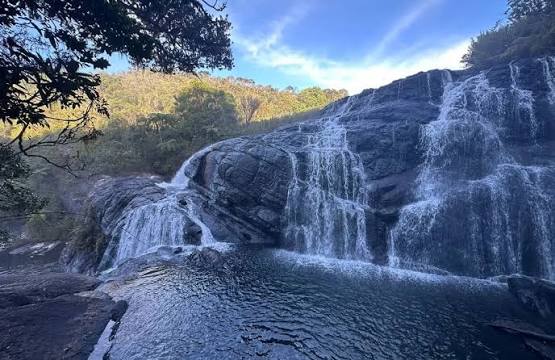
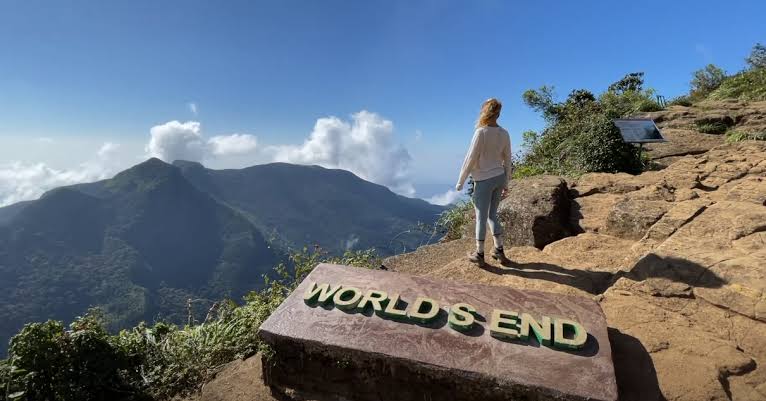
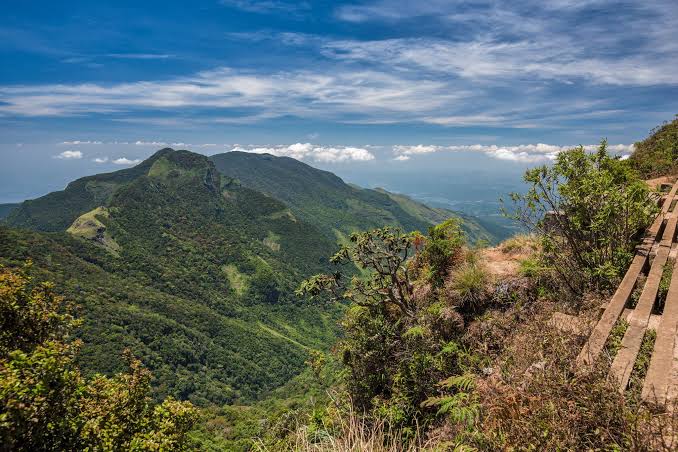
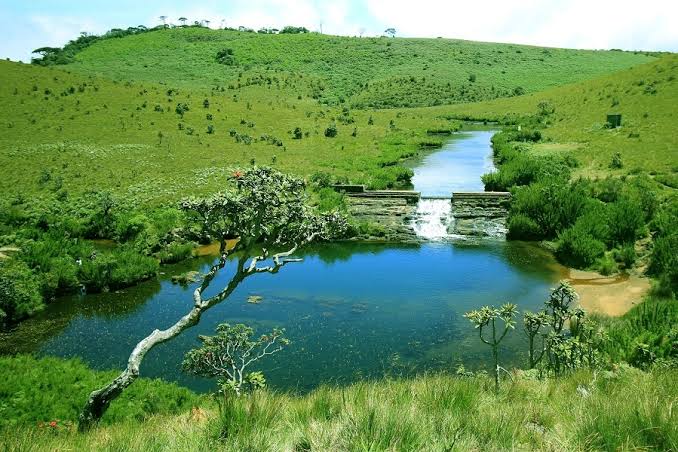
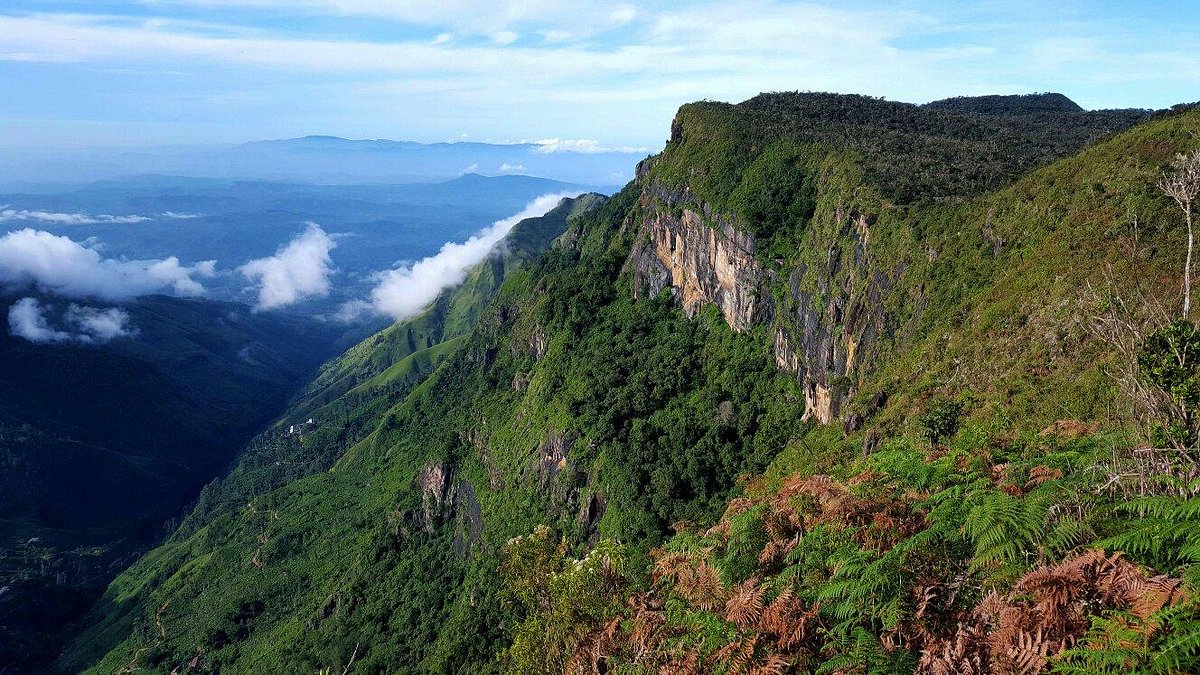
Horton Plains National Park is a breathtaking ecological treasure situated in the central highlands of Sri Lanka. Designated as a national park in 1988 and later recognized as a UNESCO World Heritage Site, it spans roughly 31.6 square kilometers. Perched at a high altitude of 2,100 to 2,300 meters above sea level, this plateau features a unique, misty climate, making it drastically different from the country’s tropical lowlands.The park's terrain is a striking blend of montane grasslands and evergreen cloud forests. This specialized ecosystem serves as a crucial watershed, feeding three of the island's major rivers: the Mahaweli, Kelani, and Walawe. It is a recognized biodiversity hotspot, playing host to nearly 750 species of plants and an array of wildlife. Visitors frequently encounter herds of Sambar deer grazing on the plains, alongside rarer residents like the Sri Lankan leopard, the purple-faced langur, and various endemic birds like the Sri Lanka blue magpie.The main attraction for travelers is the popular 9-kilometer circular trekking trail. This path leads hikers to World’s End, a dramatic, sheer cliff that drops abruptly for about 870 meters. On a clear morning, it offers a panoramic view that stretches all the way to the southern coast. Another stunning landmark along the route is Baker’s Falls, a picturesque 20-meter waterfall that cascades over ancient rocks.As the only national park in Sri Lanka that permits tourists to explore on foot without a guide, Horton Plains provides an unmatched sense of tranquility and adventure. It stands as a vital sanctuary for nature lovers, conservationists, and anyone seeking the raw, untamed beauty of Sri Lanka's high country.