
Galle Fort
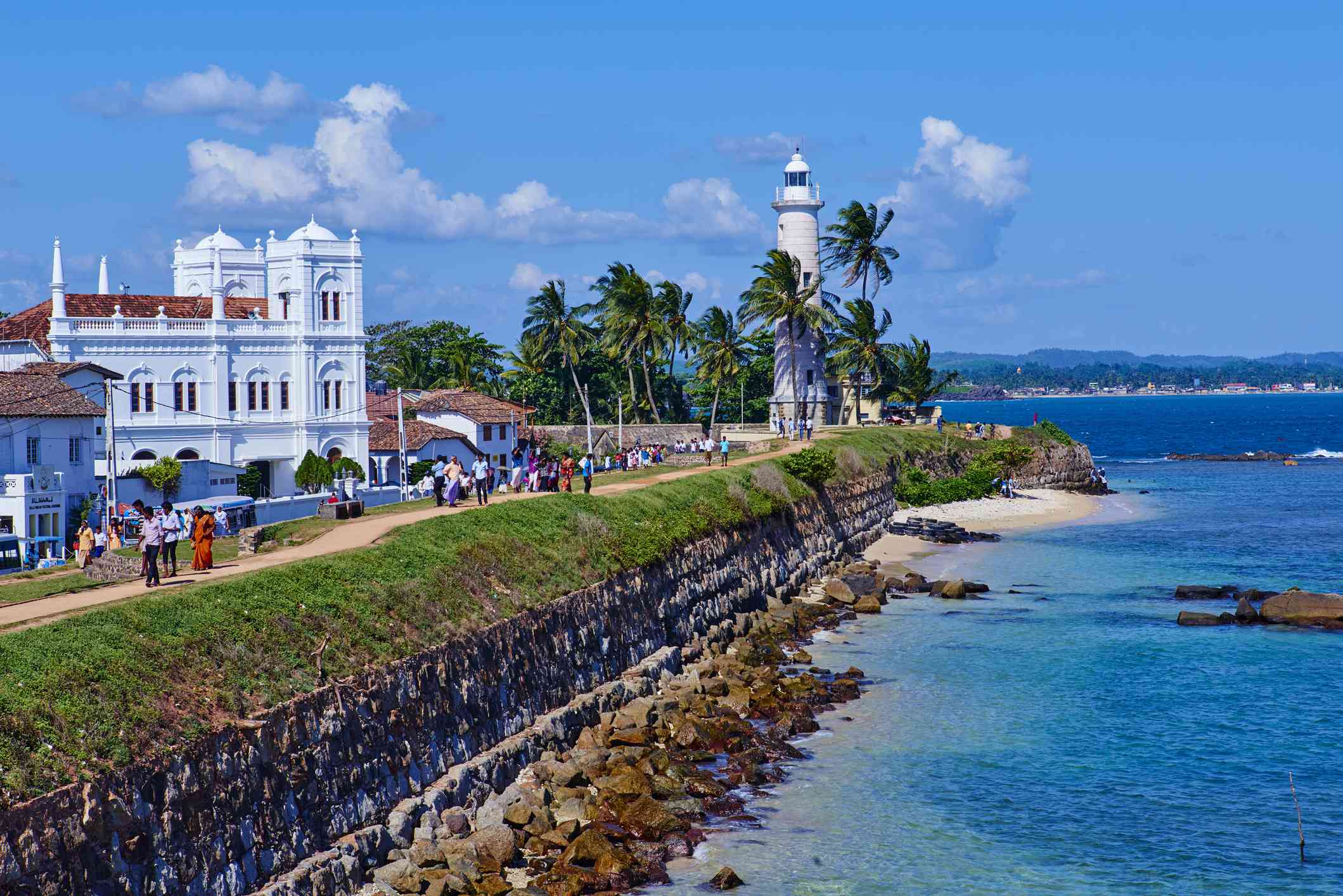
Galle Fort, situated on a rocky promontory along the scenic southwestern coast of Sri Lanka, is a spectacular fortified old town that stands as Asia's finest surviving example of European colonial architecture blended with South Asian traditions [UNESCO World Heritage Site]. Originally founded by the Portuguese in 1588, the 36-hectare citadel was dramatically expanded and fortified by the Dutch in the 17th century, who constructed massive coral and granite ramparts defended by 14 strategic bastions that still shield the town from the crashing waves of the Indian Ocean. Rather than serving as an empty, static monument, this "living fort" remains a thriving, vibrant community laid out on a regular grid pattern, where narrow cobblestone streets are lined with gabled colonial villas, chic boutiques, and historic gems like the 1755 Dutch Reformed Church and the iconic British-built Galle Lighthouse.The defense system of the fort is an engineering marvel of its time, designed to withstand both heavy artillery fire and the unpredictable forces of nature. The thick granite walls and earthen ramparts encircling the peninsula proved so structurally resilient that they famously shielded the interior historic town from the devastating impacts of the 2004 Indian Ocean tsunami. Walking along these windswept battlements allows visitors to explore historic bastions like the Star, Moon, and Sun Bastions, each offering unique defensive vantage points that once controlled the maritime trade routes entering the bay.Inside the gates, the atmosphere shifts into a charming, slow-paced sanctuary where centuries of history blend into modern daily life. The architecture tells a rich story of multi-layered cultural influences, showcasing traditional Dutch-period verandas, British administrative crests, and beautiful Moorish-style homes. This melting pot of backgrounds has fostered a deeply diverse and welcoming community where historic places of worship—ranging from centuries-old churches and elegant mosques to serene Buddhist temples—all stand peacefully within walking distance of one another.Today, the fort functions as a trendy artistic hub and a premier destination for travelers looking to experience a timeless echo of the island's maritime trading history while enjoying modern coastal comforts. The interior streets have transformed into a lively pedestrian zone filled with boutique hotels, quaint cafes, artisan jewelry shops, and independent art galleries. It remains a popular gathering spot for both locals and travelers, especially during the late afternoon when crowds walk the historic stone ramparts to fly kites, play cricket, and take in panoramic ocean views at sunset.